Many people have questions on how to use glide baits. Jason Mitchell breaks down how to use them effectively in this glide bait breakdown.
Types of Glide Baits
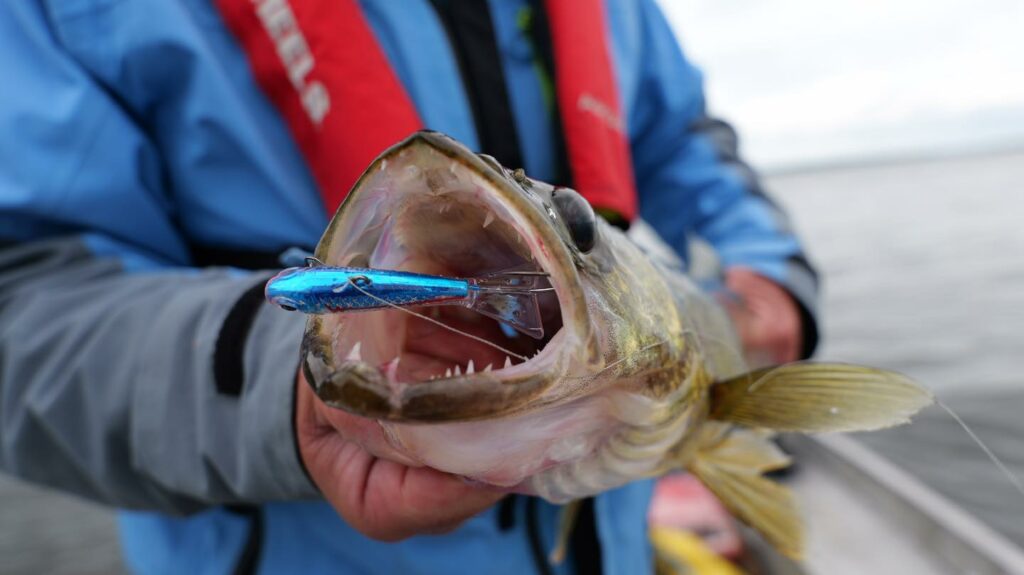
Glide baits work by instigating a reaction bite, or triggering a strike. There are several different baits that fall into the glide bait category, including jigging raps, puppet minnows, johnny darters, and tikka minnows to name a few. To work these glide baits effectively, it’s important to really snap them, to get the bait to come up off the bottom and then glide back down.
How to Properly Work a Glide Bait
Glide baits seem to really shine when fish are a little bit further off the bottom. The snap causes the bait to swing in front of the fish and the fish than chase and pin the bait next to or on the bottom. This chasing down is a powerful trigger. Walleyes are used to chasing and ramming baitfish into the bottom. Because this bottom contact is so important, glide baits often work best over clean bottoms where you can crash into the bottom without getting slimed or weeded up.
Use a rod at least six foot four inches long and use a fast tip so you can pop or snap the lure on the upstroke. Each snap should be hard enough to set the hook. You can experiment with height of snap and cadence but you do need to move these baits to trigger a reaction. The key regardless of stroke is to let the lure fall on slack line and crash into the bottom. I like to add a tiny ball bearing swivel about three feet above the lure to help with line twist so that my line doesn’t wrap up on the rod tip as the lure falls on slack line. There are fans of using mono for glide baits but I really like and prefer braided line like 8 lb. Fireline for getting the right snap on lure.
A few other tips is wedge the butt of the rod in the crotch of your arm by your elbow and use your elbow to snap the lure to cut down on fatigue. Don’t use your wrist or shoulder. Just a fast snap with your elbow. Often when casting these baits, I will snap the lure higher away from the boat and tone the snap down as the lure comes back below the boat especially if I can watch fish follow with forward facing sonar. Most of your hits will come when the lure hits the bottom. Most of the fish will try to pin the lure on the bottom.