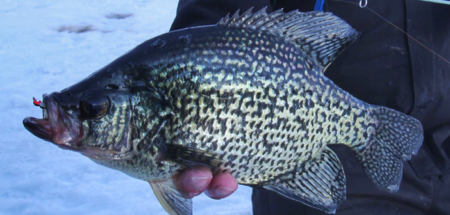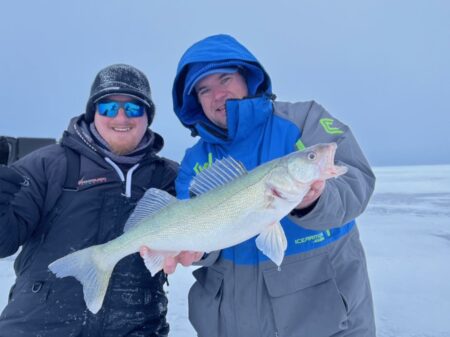

Scott Mackner lives in western Minnesota and spends a lot of time fishing lakes in Ottertail County. This area offers a tremendous number of lakes that can produce quality bluegills. Mackner is a nut for big panfish and spends a lot of time chasing big bluegill throughout the entire year.
1. Find the Right Lakes
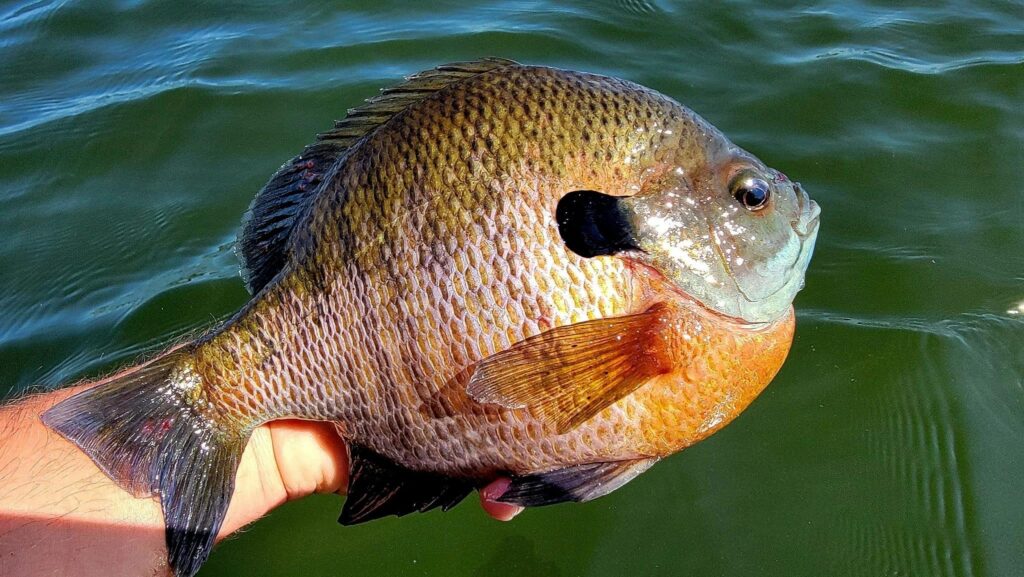
Rule number one for catching big bluegill is fishing a lake that has big bluegill. According to DNR angler surveys, bluegill are an extremely popular fish for anglers to target and the reality is that most lakes in Minnesota have bluegills but not all lakes have big bluegills. Also, worth noting that selective harvest is becoming more popular with panfish anglers as the fishing community is beginning to recognize how important releasing the larger fish is to the age and size structure where big bluegill are present. According to Mackner, many of the best lakes for big bluegill in the areas he frequents are often undeveloped. “If a lake is undeveloped with just a handful of cabins, which is often where I find some of the bigger panfish,” explains Mackner. Look for anything that can buffer fishing pressure. Could be limited access or a small, shallow boat ramp with no dock. Look for lakes that fly under the radar… especially with small lakes. Large lakes can also produce big bluegill because the acreage of water can negate fishing pressure but when it comes to small lakes in particular, look for undeveloped lakes that are tougher to access.
2. Target Offshore Structure
Locations come midsummer are often offshore. When you look at a topographical map of some of these lakes, look for any type of offshore structure. Many of the best big bluegill locations come midsummer resemble where you would expect to find and target walleye. Offshore rockpiles are a favorite big bluegill location for Mackner. Some lakes also have deep timber of some sort, and these deep laydowns are often discovered with side imaging. Mackner stresses that these fish can move around and can be either tight to the bottom or sometimes five to ten feet off the bottom. “I like to drive around and find them and then spot lock on top of the fish once I find them with my electronics,” explains Mackner. For finding big bluegill relating tight to the bottom or in any type of cover like wood, Mackner prefers the down imaging versus traditional 2D sonar for better clarity and separation.
3. Try Small Leeches
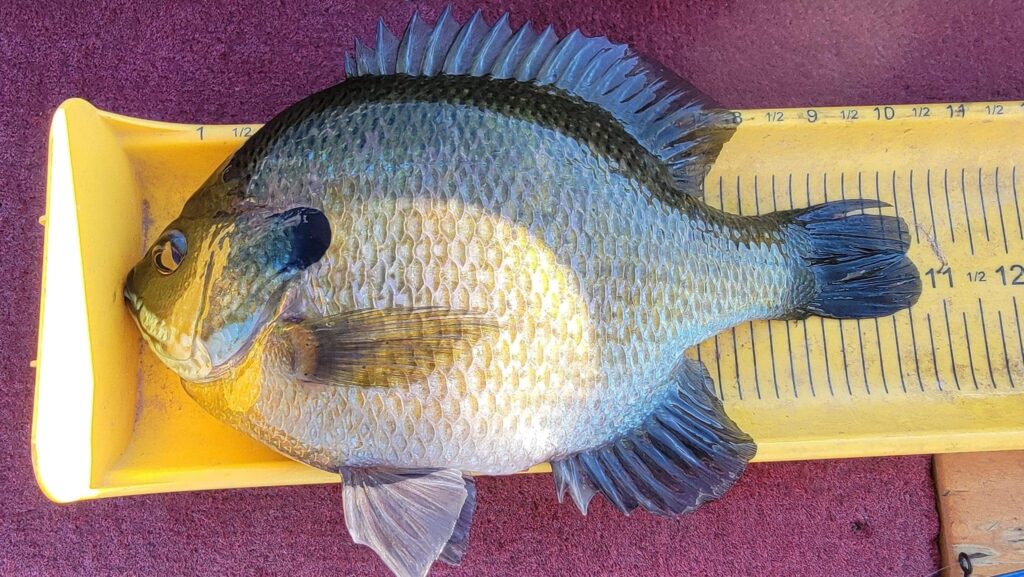
While many presentations can work to target and catch big bluegill, Mackner’s favorite bait is a small to medium size leech. “Leeches just seem more durable, and they just trigger big bluegills better compared to anything else I have tried,” adds Mackner. For bluegill relating to the bottom, Mackner will often use a small leech on a drop shot rig. For fish higher off the bottom, Mackner will cast a plain hook and leech with a split shot and slowly drag the leech through the fish. Slip bobbers with leeches can also be deadly. “Usually if you just get within ten feet of the fish, they will find it as the water is usually clear in these western Minnesota lakes in Ottertail County,” stresses Mackner.
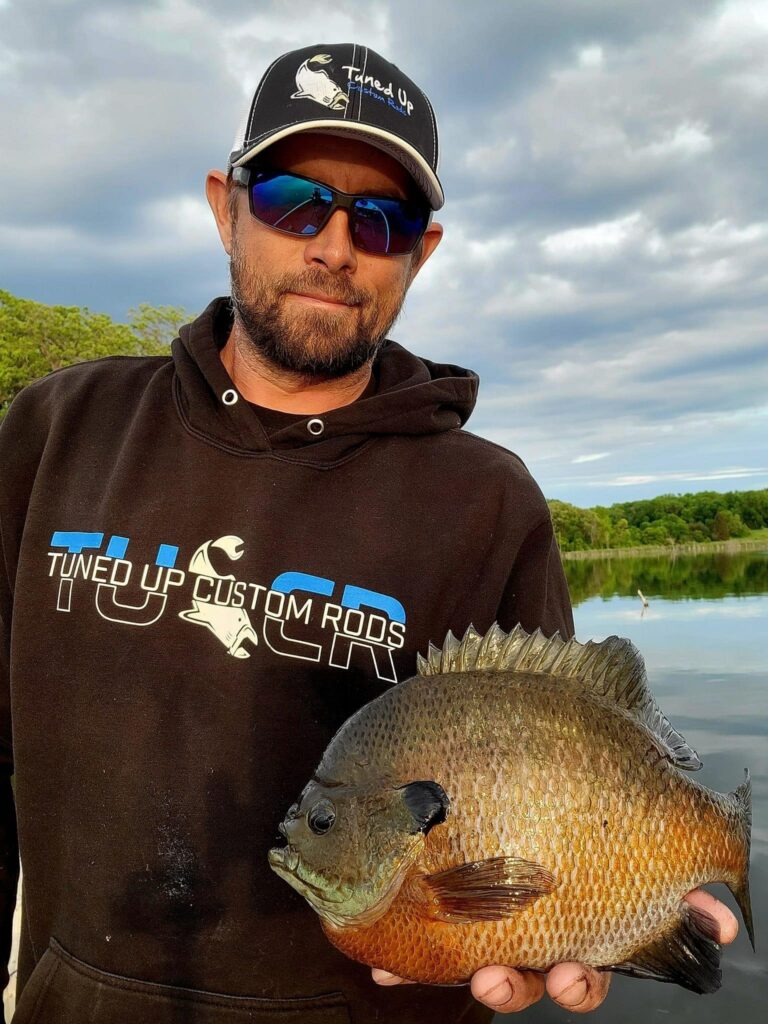
This summer offshore program with small leeches on under the radar lakes is a productive strategy that produces some pie plate proportion bluegills for Scott Mackner. Remember selective harvest by releasing the top end male bluegills in particular because these big fish guard the nests and pass on their genetics. Keep the more numerous 7–8-inch bluegill for the table and release the 9–11-inch bluegills to sustain these special fisheries.